Cold Formed Metal Buildings
in Portland, OR, Vancouver, WA and the Pacific Northwest Region
Cold-Formed Steel Buildings: Lightweight, Efficient, and Cost-Effective
Cold-formed steel buildings are constructed from light-gauge steel members that are formed at room temperature and assembled into strong, precise structural systems. They’re ideal for projects that need fast construction, lower material costs, and flexible design. and assembled into strong, precise structural systems. They’re ideal for projects that need fast construction, lower material costs, and flexible design.
Request a Building Consultation
ICall For Consultation, Click Design Your Building or Contact Us
Cold-Formed Steel Buildings for Efficient, Smaller-Scale Projects
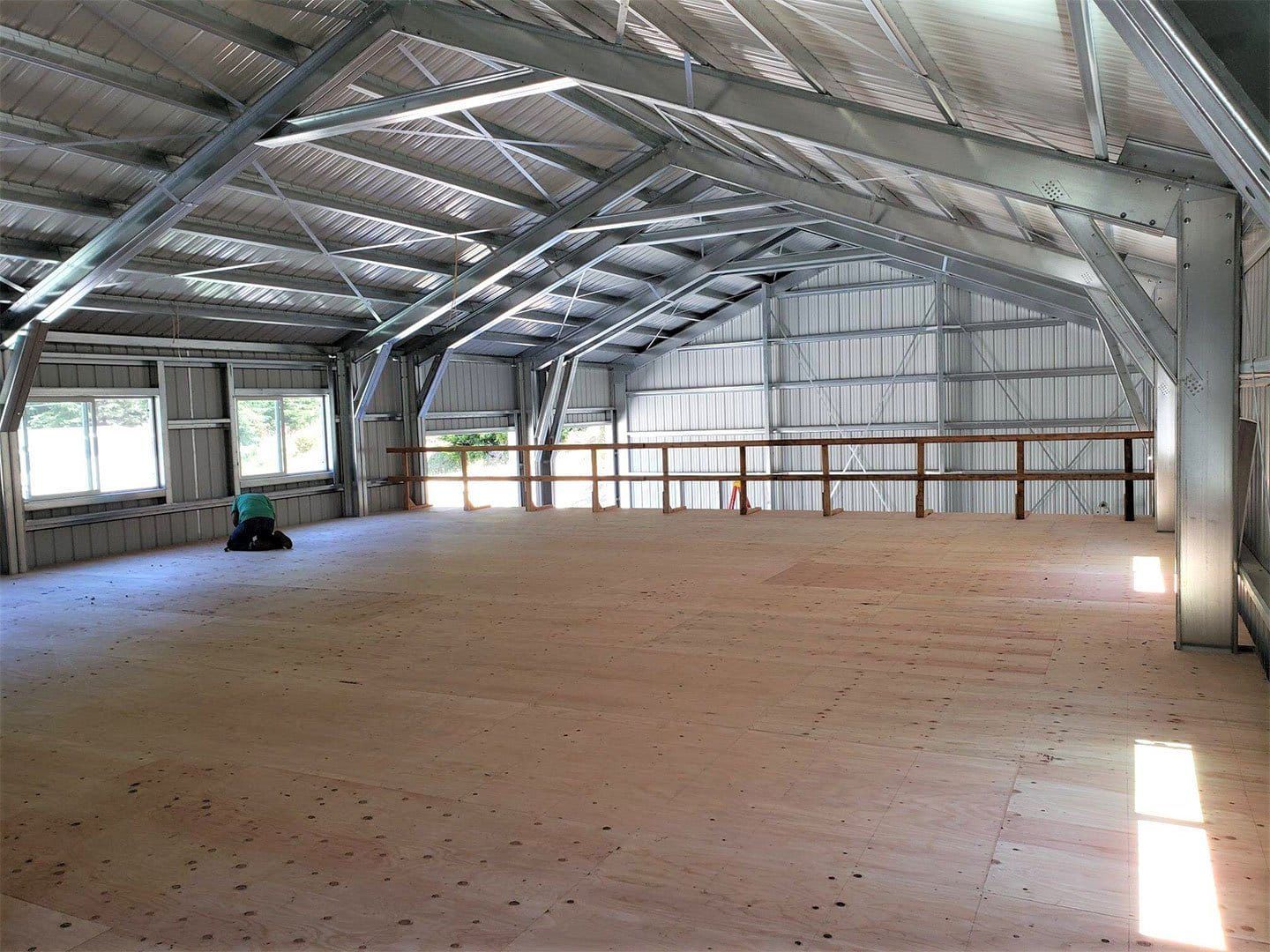
Cold-formed steel buildings use light-gauge structural members and are ideal for projects that don’t require the large clear spans of a pre-engineered steel building. They offer a cost-effective, durable solution for garages, workshops, storage, and light commercial applications.
Cold Formed C Framing Systems
Best suited for:
- Small to mid-size commercial buildings
- Garages and workshops
- Storage facilities
- Agricultural structures
- Residential framing and barndominiums
Key Benefits
- Lower Material and Construction Costs
- Cold-formed steel uses thinner, high-strength steel sections, reducing overall weight and cost without sacrificing structural integrity.
- Faster Fabrication and Installation
- Lightweight components are easier to transport and assemble, which shortens construction timelines.
- Precision and Consistency
- Components are manufactured with tight tolerances, leading to straighter walls, cleaner finishes, and easier interior build-outs.
- Non-Combustible and Pest-Resistant
- Unlike wood framing, steel won’t warp, rot, or attract termites—making it a durable long-term solution.
Cold-Formed vs. Pre-Engineered Steel Buildings
Cold-Formed Steel
- Light-gauge members
- Ideal for smaller spans and multi-story framing
- Often used in residential and light commercial
Pre-Engineered Steel
- Heavy hot-rolled I-beam frames
- Best for large clear-span structures like warehouses and arenas
- Typically used for industrial and large commercial projects
Not Sure Which Steel Building Type Is Right for Your Project?
Our team will compare cold-formed and pre-engineered options and recommend the most cost-effective solution for your needs.
Request a Building Consultation
ICall For Consultation, Click Design Your Building, or Click Contact Us
Red Iron Welded Steel Systems
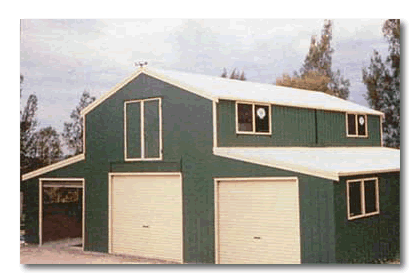
Red iron welded steel systems utilize heavy I beam and rigid frame construction for increased strength and load capacity. These structures are commonly used for:
Welded steel systems provide durability and long span capability, making them appropriate for buildings that require open interior layouts and structural robustness.
Pre Engineered I Beam Commercial Buildings
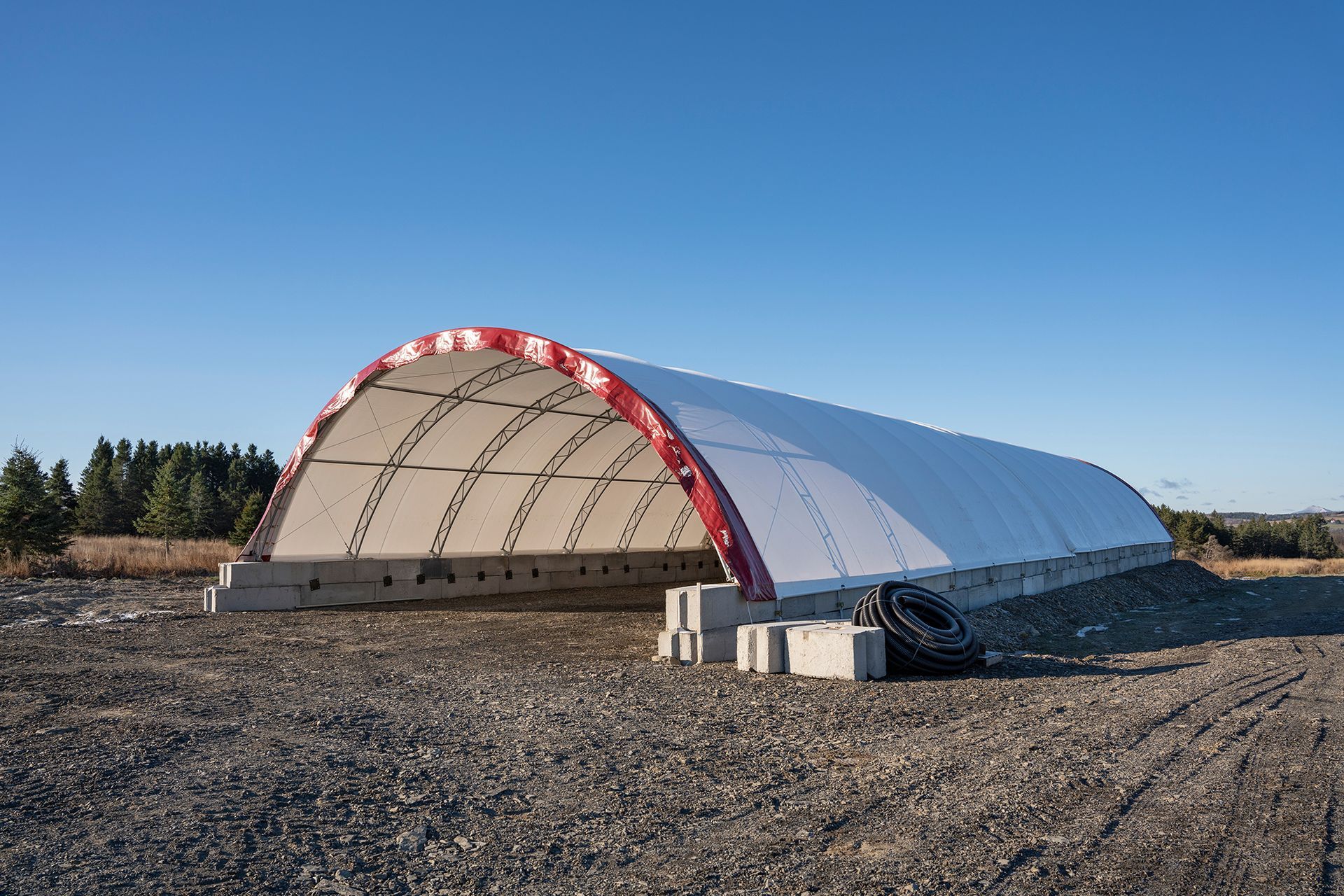
Pre engineered metal buildings use factory designed I beam components manufactured to precise specifications. These systems are ideal for commercial and industrial facilities where efficiency, scalability, and structural reliability are priorities.
Because components are engineered in advance, pre engineered buildings allow for streamlined installation and consistent performance.
Engineered for Pacific Northwest Conditions
Metal buildings in Portland, OR and Vancouver, WA must be designed to withstand regional environmental conditions. Structural calculations account for wind loads, rainfall intensity, and seismic considerations.
Moisture management and corrosion protection are critical in the Pacific Northwest climate. Galvanized finishes, protective coatings, and proper envelope integration extend the lifespan of framing systems across all building types.
Each structural system is engineered according to its intended use and site requirements to ensure long term durability and performance.
Installation and Foundation Coordination
Successful metal building construction requires precise coordination between foundation systems and structural framing.
Concrete slabs, pier systems, or reinforced foundations are prepared according to engineered load requirements. Cold formed framing, red iron welded components, and pre engineered I beam systems are assembled in alignment with structural drawings to maintain stability and dimensional accuracy.
Roof and wall systems are integrated to promote proper drainage and weather resistance, supporting building longevity in high rainfall conditions.
Versatile Solutions for Commercial, Agricultural, and Residential Use
Cold formed metal buildings and related structural systems support a wide range of applications across the Pacific Northwest.
Commercial facilities benefit from adaptable layouts and efficient construction timelines. Industrial projects gain the advantage of clear span framing and durable structural performance. Agricultural operations utilize greenhouse and equipment structures engineered for moisture and environmental control. Residential projects such as garage shops and barndominiums benefit from precision framing and design flexibility.
Enviro Building System, LLC provides cold formed metal buildings, red iron welded steel systems, and pre engineered I beam structures designed for reliable performance and coordinated installation.
For projects in Portland, OR, Vancouver, WA and throughout the Pacific Northwest region, our integrated approach ensures that each building system aligns with structural requirements, operational needs, and regional conditions.